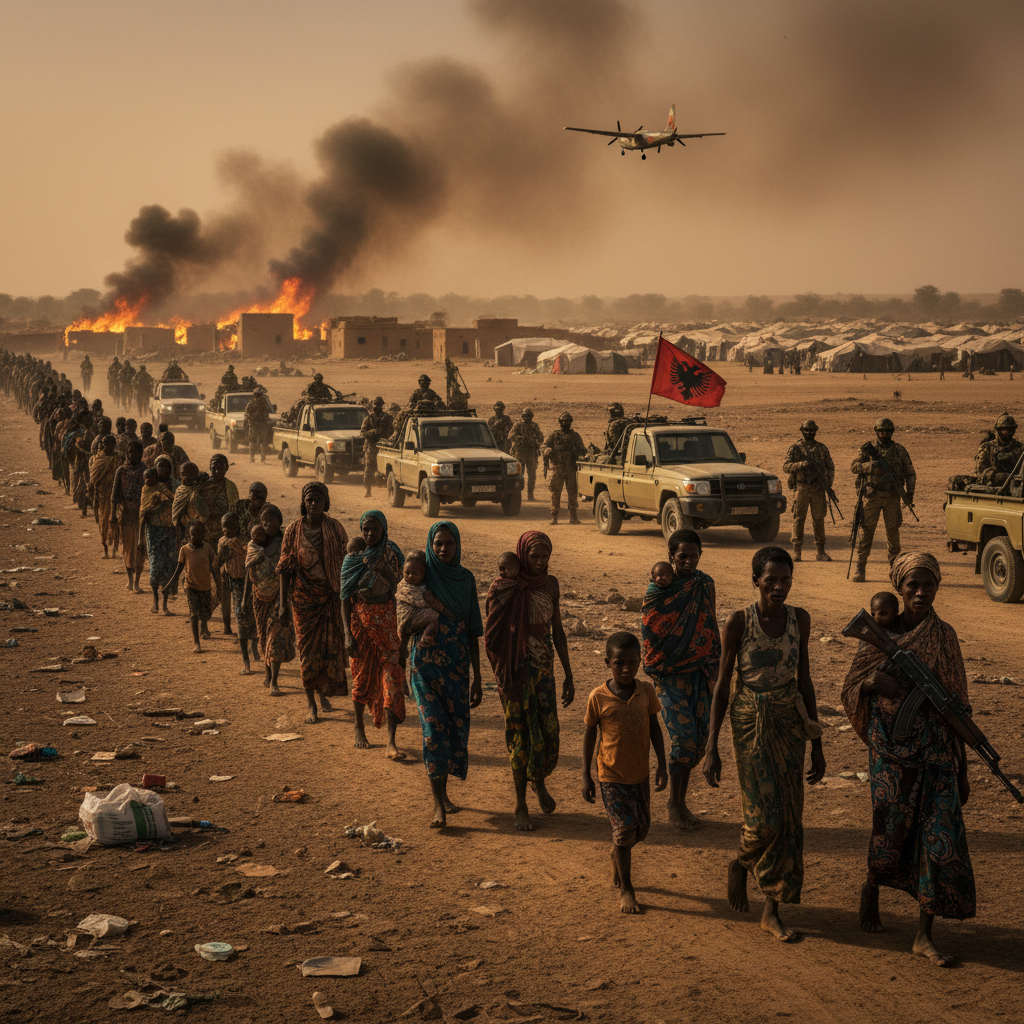
Escalating Crisis: The Sahel region is experiencing a deepening crisis characterized by escalating Islamist insurgencies, pervasive inter-communal violence, and a series of military coups in Mali, Burkina Faso, and Niger throughout 2024-2025. International anti-terror efforts have been largely ineffective, exacerbating a severe humanitarian catastrophe.
Key Developments:
- Withdrawal of International Forces: Remaining international forces, including French and UN contingents, withdrew from parts of the region in late 2025.
- Shift in Security Partnerships: Their roles are increasingly being filled by security partnerships with non-Western actors, notably successors to Russia’s Wagner Group, signaling an expansion of Moscow’s security footprint in Africa.
- Emergence of Regional Alliances: Military juntas have formed stronger regional alliances, coordinating security and political strategies, often defying external pressures and sanctions, and challenging the authority of organizations like ECOWAS.
Humanitarian Consequences:
- Mass Displacement: Millions are fleeing violence and insecurity, reaching unprecedented levels.
- Worsening Food Insecurity: Conflict-induced disruptions to agriculture, livestock, and trade routes, compounded by climate change, have dramatically worsened food insecurity.
- Aid Challenges: International aid organizations struggle to access vulnerable populations due to the volatile security environment, leading to projected increases in malnutrition and disease.
Security Risks:
- Terrorist Spillover: Increased operational freedom for extremist groups raises the risk of attacks and radicalization spreading into coastal West African states (e.g., Côte d’Ivoire, Ghana, Togo, Benin).
- Destabilization of Coastal States: Porous borders and socio-economic vulnerabilities in these states make them susceptible targets for groups seeking new operational bases.
Geopolitical Landscape:
- Battleground for Influence: The Sahel has become an intensified battleground, with Russia and China expanding their security and economic footprints, offering alternative partnerships to African governments.
- European Migration Pressure: The worsening security and humanitarian situation drives increased migration towards North Africa and Europe, fueling political debates within EU member states.
Future Outlook: The region’s trajectory depends on the capacity of regional states to forge effective governance, the efficacy of new security partnerships, and renewed international commitment to long-term solutions beyond military interventions.