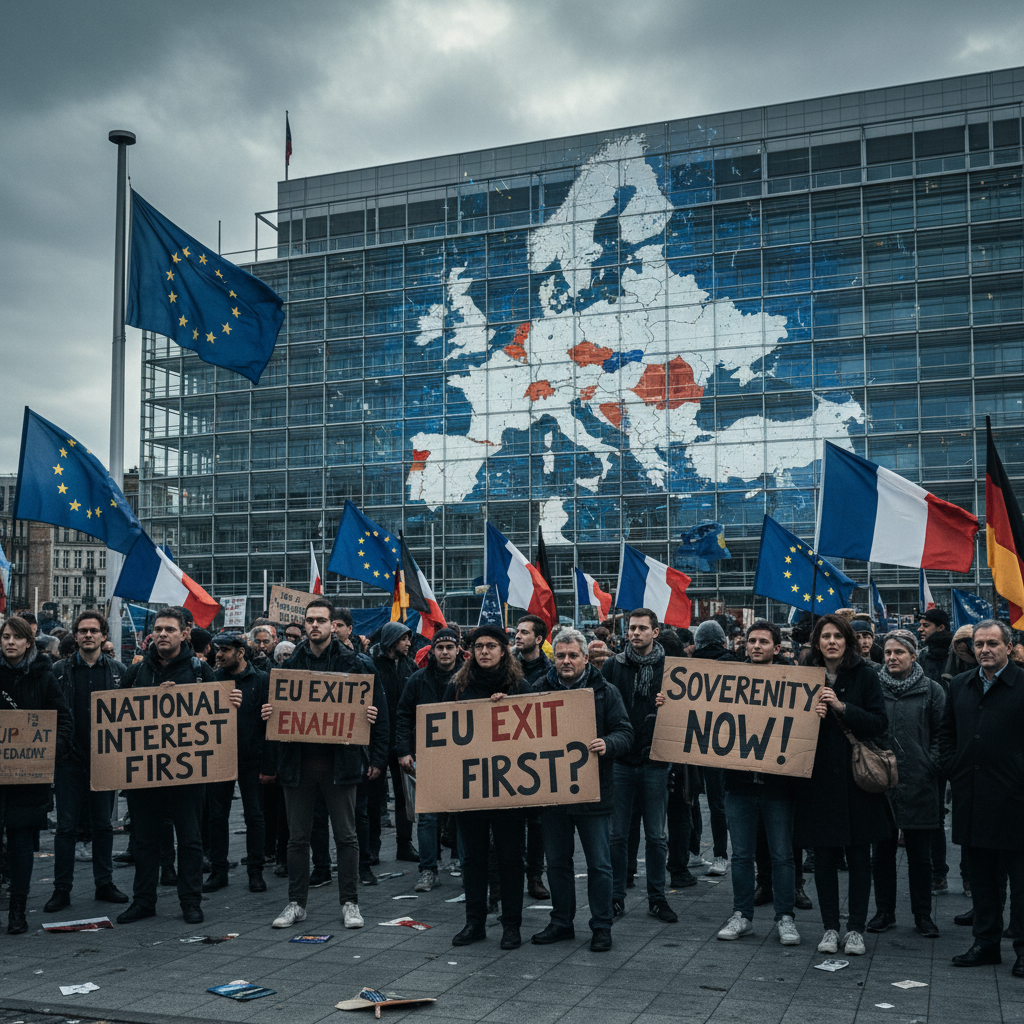
Key Trend: Far-right nationalist parties have secured unprecedented gains in national elections across Europe in late 2025 and early 2026, following momentum from the mid-2024 European Parliament elections. This trend is reshaping national policies, fostering complex coalition governments, and potentially impacting the stability and future direction of the European Union.
Political Landscape Shifts:
- Populist-nationalist governments have taken the reins or significantly influenced policy in countries like France, Germany, and the Netherlands.
- These administrations express skepticism towards centralized EU authority and advocate for national sovereignty.
- Their platforms prioritize restrictive immigration policies, question existing trade agreements, and challenge member state financial contributions, creating ideological clashes with EU frameworks.
Implications for the EU:
- Fragmentation Risk: The consensus-driven decision-making process of the EU could become more arduous due to diverging nationalistic agendas.
- Weakened Policies: Common foreign and economic policies may be weakened, eroding the EU’s global influence. Achieving unified stances on trade, environmental regulations, or geopolitical crises will be more difficult.
- Challenges to Democratic Norms: Concerns exist regarding rhetoric that undermines judicial independence, press freedom, and minority rights in certain member states. Legislative action based on such rhetoric could lead to confrontations with EU treaty values and potential disciplinary actions from Brussels.
- Economic Instability: Calls for referendums on EU membership or treaty withdrawal could deter foreign investment and cause capital flight. Questioning Eurozone fiscal regulations or the single market could trigger financial market volatility. Renegotiated trade agreements could disrupt supply chains and economic partnerships.
- Global Geopolitical Impact: A less cohesive EU could weaken its role as an international actor, potentially creating power vacuums or shifting traditional alliances. Major global players like the US, China, and Russia would adapt their strategies to a more fragmented Europe.
Future Outlook: The coming months are crucial for determining the extent of the far-right’s influence and the EU’s capacity to adapt. The challenge lies in balancing national sovereignty with preserving foundational EU principles and collaborative structures.