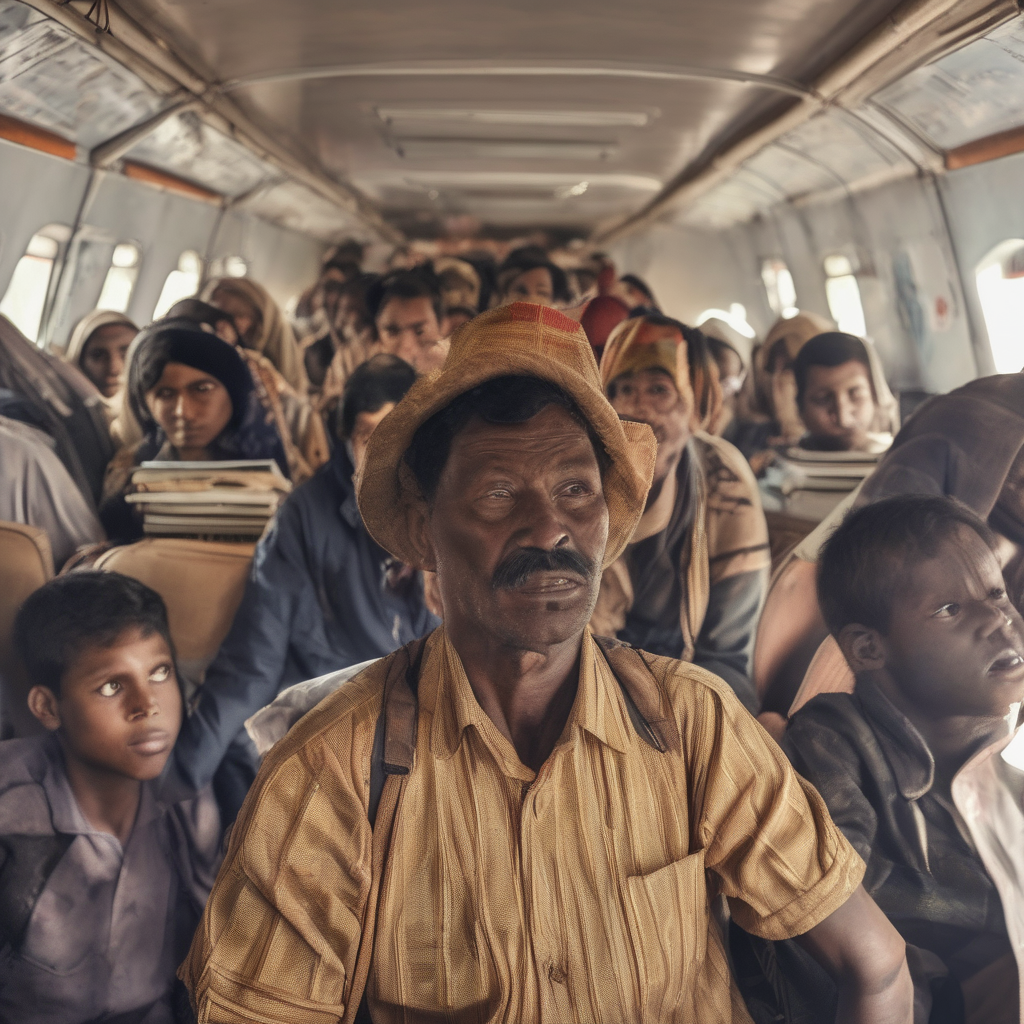
Global migration has reached unprecedented levels in 2024, with over 281 million people living outside their birth countries. Analyzing global migration challenges in 2024 reveals a complex web of intersecting crises—economic desperation, political violence, and climate catastrophe—that are fundamentally reshaping human mobility patterns worldwide. This isn’t just a humanitarian issue; it’s a geopolitical earthquake affecting every continent.
Look: the numbers tell only part of the story. Behind each statistic lies a human narrative of survival, ambition, or escape. But that’s not all… the policy responses from destination countries are failing to keep pace with the sheer scale and complexity of modern migration flows.
Analyze: Global Migration Challenges In 2024 – A Comprehensive Overview
The modern migration landscape looks dramatically different than it did even five years ago. Traditional economic migration from developing to developed nations has been supplemented—and in some cases supplanted—by new forms of forced displacement.
Key factors transforming migration:
- Climate-induced relocation affecting 21.5 million people annually
- Political persecution and conflict driving asylum claims up 35% since 2020
- Economic inequality widening between global north and south
- Demographic shifts creating labor shortages in aging nations
Here’s the best part: understanding these patterns helps us anticipate the next wave of challenges. But here’s the kicker—most policy frameworks still treat migration as a temporary emergency rather than a permanent feature of our interconnected world.
The Economic Drivers Behind Modern Migration
Wage Disparities and Opportunity Gaps
The economic logic of migration remains powerful. A worker from Guatemala can increase their income by 300% performing the same job in the United States. For a software engineer from Nigeria, relocating to Germany might mean a tenfold salary increase.
Primary economic motivators include:
- Remittance potential ($650 billion sent home annually)
- Youth unemployment in origin countries (exceeding 40% in some regions)
- Labor shortages in destination countries aging populations
- Digital nomad visas creating new mobility pathways
But that’s not all… the cost of migration itself has become a barrier, with smuggling networks charging $5,000-$15,000 per person for dangerous journeys.
The Remittance Economy Double-Edged Sword
Remittances now exceed foreign direct investment in over 30 developing nations. While this provides crucial economic stability, it also creates dependency cycles that can trap communities in permanent out-migration patterns.
Political Instability and Forced Displacement
Conflict Zones Producing Record Numbers
Wars in Ukraine, Sudan, Myanmar, and ongoing instability in Syria and Afghanistan have created the highest refugee population since World War II—over 35.3 million refugees under UNHCR mandate.
Critical displacement factors:
- Protracted conflicts lasting decades with no resolution
- State collapse in regions like the Sahel
- Persecution based on ethnicity, religion, or political beliefs
- Gender-based violence targeting women and LGBTQ+ individuals
Look: the average refugee spends 17 years in displacement. This isn’t temporary—it’s multigenerational.
The Asylum System Breakdown
Processing backlogs have reached crisis levels. The U.S. immigration court system faces a backlog of over 3 million cases. European Union countries are similarly overwhelmed, with some processing times exceeding three years.
Climate Change: The Emerging Migration Catalyst
The New Climate Refugee Reality
By 2050, climate change could force 216 million people to move within their own countries. Already, rising seas, desertification, and extreme weather events are displacing millions who don’t fit traditional refugee definitions.
Major climate migration drivers:
- Sea-level rise threatening Pacific Island nations and coastal megacities
- Desertification in the Sahel and Central America
- Hurricane intensification in the Caribbean and Southeast Asia
- Water scarcity affecting over 2 billion people
Here’s the kicker: international law still doesn’t recognize climate refugees, leaving them without legal protection or resettlement pathways.
The Urban Heat Magnet Effect
Climate-vulnerable populations aren’t just crossing borders—they’re flooding into already-overburdened urban centers, creating secondary migration crises within developing nations.
Integration Challenges in Destination Countries
Social Cohesion Under Strain
Rapid influxes strain housing markets, school systems, and healthcare infrastructure. But the social challenges run deeper than logistics.
Integration obstacles include:
- Language barriers limiting employment opportunities
- Credential recognition preventing skilled immigrants from working in their fields
- Discrimination and xenophobia rising in traditionally welcoming nations
- Identity politics weaponizing migration for electoral gain
But that’s not all… second and third-generation immigrants often face identity crises that fuel radicalization on both extremes of the political spectrum.
The Labor Market Paradox
While politicians decry immigration, employers in agriculture, construction, and elder care desperately need foreign workers. This paradox creates underground economies that exploit vulnerable migrants.
How Nations Are Responding: Policy vs. Reality
The Enforcement-Only Trap
Many governments have defaulted to border militarization. The EU’s Frontex budget has tripled. The U.S. continues building border barriers. Australia maintains offshore detention.
Here’s what actually works: evidence shows that regular migration pathways reduce irregular crossings far more effectively than walls.
5 Steps Governments Can Take to Address Migration Challenges
This actionable framework could transform migration management:
1. Create legal migration pathways matching labor market needs with applicant skills
2. Invest in origin country development targeting root causes like youth unemployment
3. Establish rapid asylum processing with fair hearings within 90 days
4. Build public-private integration partnerships for housing, language, and job placement
5. Recognize climate displacement by creating humanitarian visas for environmental refugees
Look: successful models exist. Canada’s economic immigration system, Germany’s refugee integration programs, and Costa Rica’s regional solidarity approach show what’s possible when political will aligns with practical solutions.
Looking Ahead: Solutions on the Horizon
The Technology Promise
Digital identity systems, blockchain remittances, and AI-driven language training could revolutionize how we manage migration. But technology without humane policy is just a more efficient form of exclusion.
Innovative approaches showing promise:
- Complementary pathways like community sponsorship programs
- Circular migration agreements allowing temporary work with return incentives
- Climate adaptation funds helping vulnerable populations stay in place voluntarily
- Remote work visas redistributing talent without physical displacement
The bottom line? Migration isn’t a problem to be solved—it’s a reality to be managed. Nations that adapt pragmatically will thrive economically and culturally. Those that resist will find themselves on the wrong side of history and demographics.
The Bottom Line
Analyzing global migration challenges in 2024 makes one thing crystal clear: we need a paradigm shift from crisis management to strategic planning. The old playbook of fences, detention centers, and political posturing has failed by every metric—humanitarian, economic, and security-related.
Ready to dive deeper into the stories behind the statistics? At NewsYog, we cut through the noise to bring you informed, engaging, and timely analysis—always with a touch of humor to keep things light. Because staying smart about global issues shouldn’t feel like homework. Subscribe to our weekly digest and join the community of curious minds who understand that complex problems demand nuanced conversations, not soundbites.