New Delhi/Brussels, January 25, 2026 —
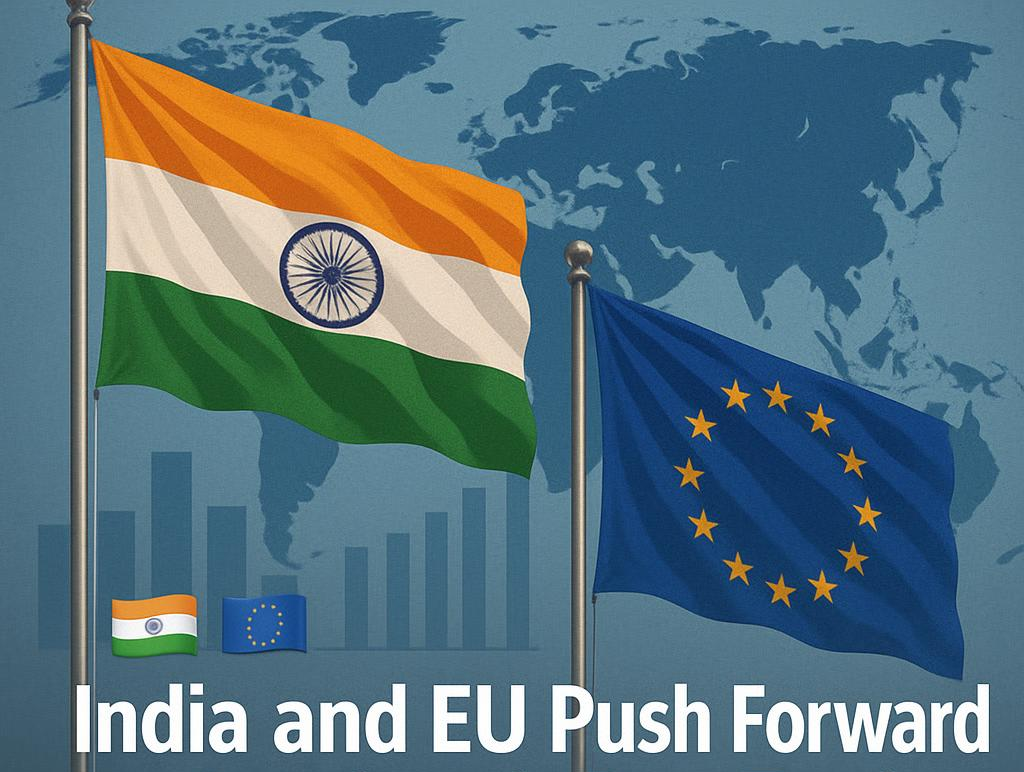
India and the European Union are intensifying negotiations on what could become one of the most significant free trade agreements in recent years, as global tariff disputes continue to reshape international commerce.
🔑 Key Developments
- Strategic Importance: The proposed pact aims to reduce tariffs, streamline regulatory standards, and open new markets for both Indian and European businesses.
- Global Context: Talks come at a time when trade tensions between major economies, including the United States and China, have disrupted supply chains and heightened calls for diversified partnerships.
- Economic Impact: Analysts suggest the deal could boost bilateral trade by billions of dollars annually, particularly in sectors such as pharmaceuticals, information technology, renewable energy, and automotive manufacturing.
📊 Negotiation Highlights
- Market Access: India is seeking greater access for its goods and services in Europe, particularly textiles, IT services, and agricultural products.
- EU Priorities: Brussels is pushing for stronger intellectual property protections, sustainable development commitments, and reduced barriers for European luxury goods and industrial exports.
- Tariff Reductions: Both sides are working to lower duties on critical goods, with discussions focused on steel, machinery, and green technologies.
🌍 Broader Implications
The timing of the negotiations is crucial. With global trade disputes escalating, both India and the EU see this agreement as a way to safeguard economic growth and strengthen strategic ties. For India, the deal could accelerate its ambition to become a global manufacturing hub, while the EU views the partnership as a counterbalance to its reliance on Chinese imports.
🗣️ Official Statements
Indian Commerce Ministry officials have described the talks as “constructive and forward-looking,” while EU trade representatives emphasized that the agreement must align with sustainability goals and fair competition standards.
📌 What’s Next
Negotiators are expected to meet again in Brussels next month, with hopes of finalizing a framework by mid-2026. If successful, the agreement would mark a turning point in India-EU relations, setting the stage for deeper cooperation in technology, climate action, and global governance.