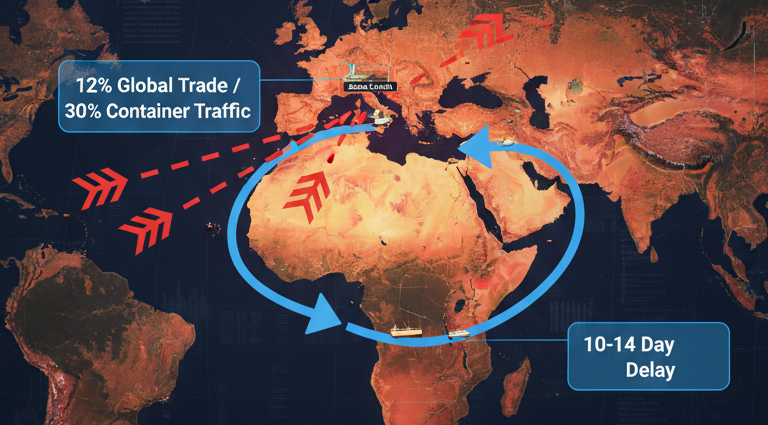
Driving Forces: Persistent geopolitical tensions, including US-China trade disputes, the Ukraine conflict, and Red Sea shipping disruptions (2024-2025), are driving an aggressive reconfiguration of global manufacturing and trade.
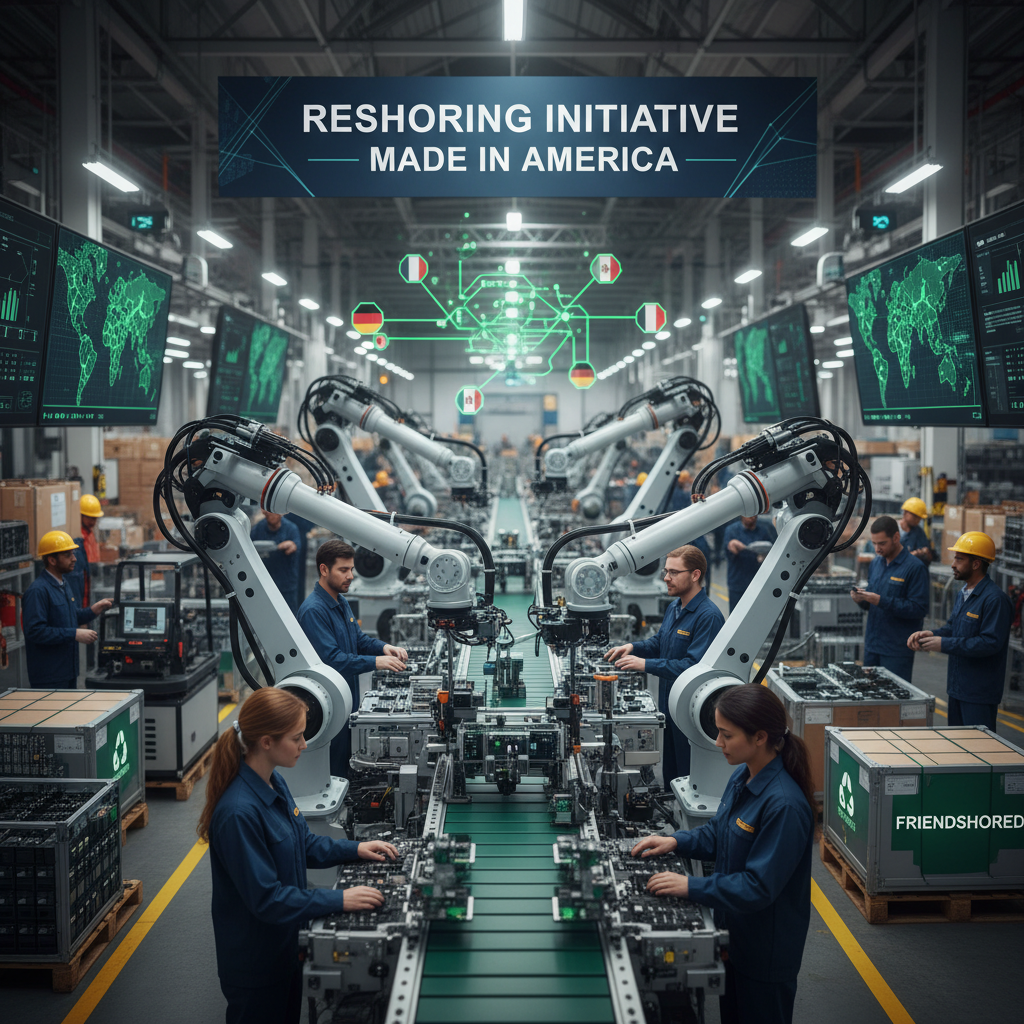
Shift in Strategy: Corporations are moving from a lean “just-in-time” globalized model to a more resilient “just-in-case” approach, emphasizing regionalization and “friendshoring.”
Manifestations of the Shift:
- New Manufacturing Hubs: Significant investments are being made in North America, Europe, Southeast Asia, and India to diversify production.
- Automation and Reshoring: Developed economies are accelerating automation and reshoring initiatives to bring critical production back within national or allied borders.
- New Trade Blocs and Alliances: Partnerships are forming to secure critical resources (rare earths, semiconductors) and foster technological independence among allied nations.
- Strategic Use of Trade Barriers: Governments are using tariffs and non-tariff barriers to guide supply chain development, incentivize domestic production, and influence global trade flows for national security and economic resilience.
Impacts:
- Consumer Costs: Higher production costs are expected in the short term due to the transition from optimized global sourcing to regionalized production.
- Increased Resilience: Diversified and regionalized supply chains will be less susceptible to disruption from single geopolitical events, natural disasters, or pandemics.
- Shifting Economic Power: New manufacturing regions gaining prominence will lead to a reallocation of economic influence and potentially rebalance global manufacturing leadership.
- Altered Geopolitical Relationships: Reducing economic interdependence between rival powers by de-risking supply chains and fostering friendshoring could lead to a more fragmented global economy and potentially exacerbate geopolitical tensions.
Overall: The global economy is entering an era where strategic resilience and national security considerations are paramount in economic policy and corporate investment.