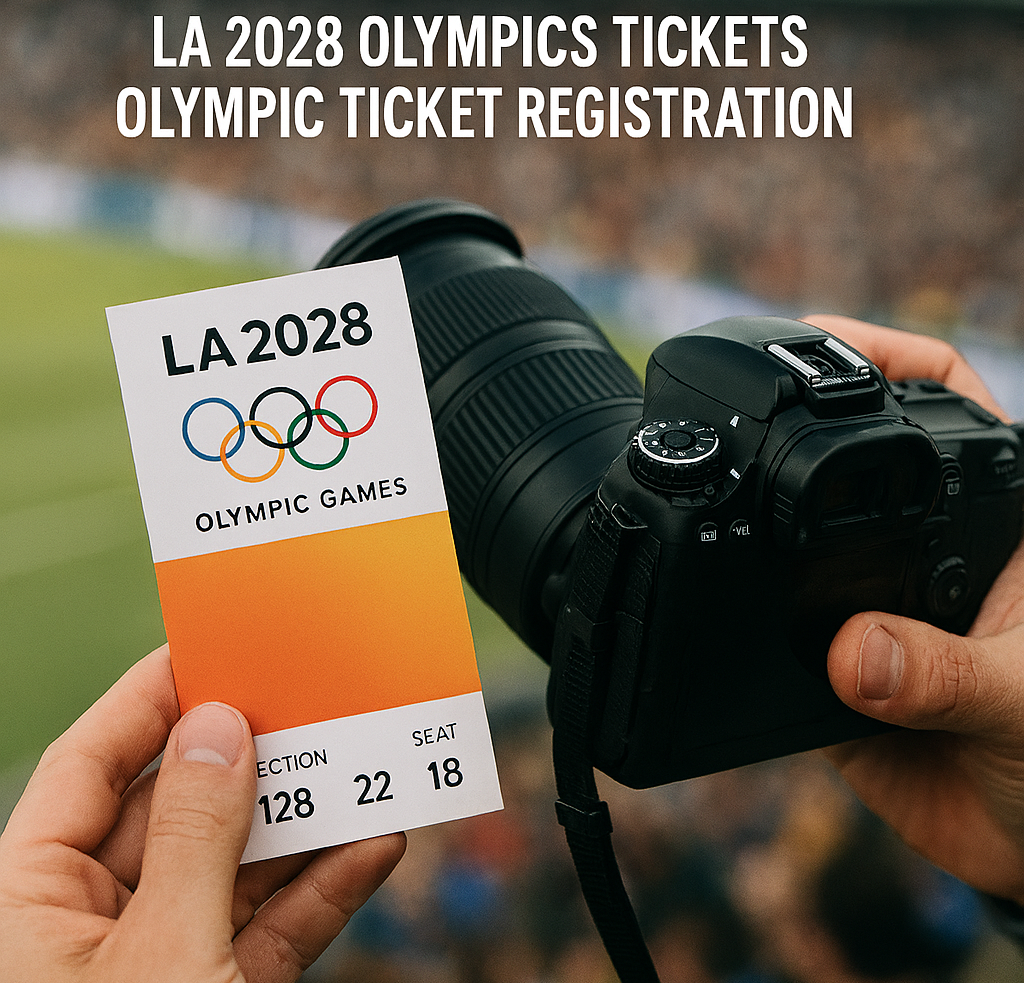
The 2028 Los Angeles Olympics are set to transform America’s second-largest city into a global stage for athletic excellence, marking the city’s historic third time hosting the Summer Games. With less than five years until the opening ceremony, organizers at LA28 are finalizing ambitious plans that promise to deliver a more sustainable, tech-forward Olympic experience while grappling with the city’s notorious traffic, housing shortages, and infrastructure demands.
2028 Los Angeles Olympics: Key Developments and Timeline
The countdown to LA 2028 is officially underway, with major milestones approaching rapidly. Organizers have established a phased preparation schedule that balances urgency with fiscal responsibility.
Critical deadlines include
- 2024-2025: Final venue agreements and infrastructure contracts must be signed
- 2026: Major transportation projects must reach 50% completion
- 2027: Test events begin across all competition sites
- July 14, 2028: Opening ceremony at the Los Angeles Memorial Coliseum
The International Olympic Committee’s decision to award LA the 2028 Games back in 2017 gave the city an unprecedented 11-year preparation window. This extended timeline was specifically designed to avoid the rushed construction and cost overruns that plagued previous host cities, according to official IOC statements.
Infrastructure and Venue Strategy: A “No-Build” Revolution
Los Angeles is pioneering a revolutionary approach to Olympic infrastructure that could reshape future Games. Unlike recent hosts that spent billions on new stadiums, LA28 plans to utilize 92% of existing or temporary venues, dramatically reducing costs and community disruption, according to LA28 planning documents.
New Construction vs. Existing Facilities
The strategy centers on maximizing LA’s world-class sports infrastructure:
- SoFi Stadium in Inglewood will host opening and closing ceremonies
- Dodger Stadium will showcase baseball and softball
- Staples Center handles basketball
- UCLA and USC campuses serve as Olympic Villages
Only three permanent venues require new construction, including the Olympic Swimming Stadium at the LA84 Foundation campus, based on official venue master plans.
Transportation Overhaul
The Games are catalyzing $30 billion in regional transportation improvements that would have taken decades otherwise, according to Metro and California state transportation authorities. The projects include:
- Purple Line subway extension to UCLA
- Automated People Mover connecting LAX terminals
- Expanded Metro bus rapid transit network
These upgrades will serve Angelenos for generations after athletes depart, according to infrastructure impact assessments.
Financial Planning and Economic Impact
The LA 2028 budget stands at a modest $6.9 billion—significantly leaner than Tokyo 2020’s reported $15 billion or Paris 2024’s $9 billion, according to official Olympic financial disclosures. Private funding covers the entire operational budget through sponsorships, ticket sales, and IOC contributions.
Key financial highlights
- Zero taxpayer dollars required for construction
- $1.5 billion allocated for security (federal and state funded)
- $500 million contingency fund for unexpected costs
- Projected $11.2 billion regional economic boost
Independent analysts warn that cost overruns average 150% for Olympic Games, based on historical data from the Oxford Olympics Study. LA28’s “no-build” strategy aims to defy this trend, though inflation and supply chain issues pose ongoing risks.
Challenges Facing LA 2028 Organizers
Success is far from guaranteed. Organizers navigate complex obstacles that could derail even the best-laid plans.
Traffic and Logistics
Los Angeles traffic ranks among the world’s worst. During the Games, 10,500 athletes and 15,000 media personnel will join the region’s 18 million residents, according to LA28 and US Census figures. The Olympic Route Network—dedicated lanes for athletes and officials—will reduce road capacity by 15%, based on transportation studies.
Mitigation strategies include
- Remote work mandates for government employees
- Staggered business hours across the metro area
- Expanded Metro rail service to 24-hour operation
Housing and Community Concerns
The Olympic Village at UCLA provides 14,300 beds, according to official LA28 specifications, but the broader housing crunch remains. Critics fear the Games could accelerate gentrification and displacement in vulnerable neighborhoods.
Community advocates demand:
- Stricter rent control enforcement during the Games
- Requirements for affordable housing in Olympic-related developments
- Job guarantees for local residents in construction and service roles
Security in a Post-9/11 World
The 2028 Los Angeles Olympics face evolving security threats. The budget allocates significantly more for cybersecurity than any prior Games, according to Department of Homeland Security briefings. Coordination between 40+ law enforcement agencies creates complexity, while civil liberties groups monitor potential overreach.
How LA 2028 is Revolutionizing the Olympic Experience
Los Angeles is positioning its Games as the most innovative in history through five key innovations:
1. Climate-Positive Commitment: LA28 will remove more carbon than it emits through renewable energy, electric transportation, and urban forestry projects, according to official sustainability plans.
2. Digital-First Broadcasting: AI-powered camera systems and 5G networks will deliver personalized viewing experiences, with virtual reality options for every sport, based on broadcasting technology reports.
3. Youth Sports Legacy Fund: 100% of surpluses will fund youth athletics across Los Angeles, creating lasting community impact, according to LA28’s charter.
4. Athlete Wellness Innovation: On-site mental health services, nutritional support, and career counseling will set new standards for athlete care, per LA28 athlete services planning.
5. Micro-Mobility Integration: E-bikes and scooters from local partners will provide last-mile connectivity, reducing shuttle bus dependency by 40%, according to transportation impact analyses.
These innovations are binding commitments written into LA28’s charter, not merely promotional promises.
what this means for Los Angeles Residents
The Games will touch every Angeleno’s life, for better or worse. Job creation estimates range from 70,000 to 150,000 temporary positions, primarily in hospitality and security, according to economic impact studies. Small businesses can access Olympic supplier diversity programs, but must navigate complex certification processes.
Residents should prepare for
- 30% hotel rate increases during July-August 2028
- Airbnb restrictions in Olympic zones
- Street closures starting June 2028
- Transit fare caps at $5/day for unlimited Olympic travel
The psychological impact of global attention could reshape LA’s identity. Organizers hope to showcase the city’s diversity and creativity, countering Hollywood stereotypes with stories of innovation and resilience.
Looking Ahead: The Road to 2028
The next four years will test LA’s political will and organizational capacity. Quarterly progress reports show most venues remain on schedule, but transportation projects face typical bureaucratic delays. The IOC’s coordination commission visits semi-annually, adding oversight pressure.
Critical success factors
- Maintaining community trust through transparent communication
- Delivering transportation projects on time
- Managing security without sacrificing civil liberties
- Creating authentic cultural programming beyond sports
If LA succeeds, it establishes a replicable model for sustainable mega-events. Cities worldwide watch closely, hoping to learn how to host global spectacles without crippling debt or displacement.
Conclusion: A Defining Moment for Los Angeles
The 2028 Los Angeles Olympics represent more than a sporting event—they’re a $7 billion stress test of urban planning, civic engagement, and innovative governance. By betting on existing infrastructure and private funding, LA charts a course that could save the Olympic movement from its own excesses.
The Games will undeniably disrupt daily life, but they also accelerate improvements generations in the making. From subway extensions to youth sports funding, Angelenos may find the legacy worth the temporary inconvenience.